
Start with the right information
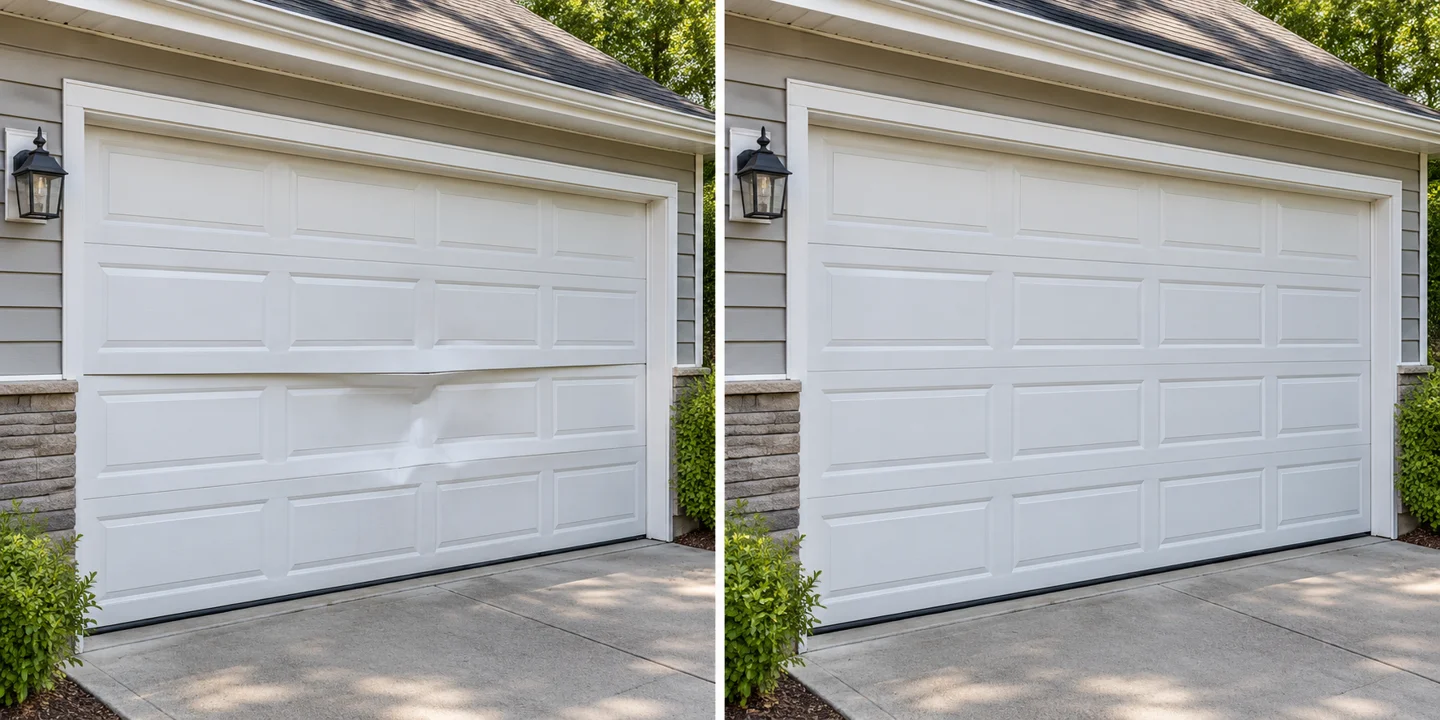
Replacement makes sense to discuss when sections are structurally damaged, compatible parts are unavailable or the existing system cannot meet the intended use. Surface wear alone does not settle the decision. Ask which parts can safely remain and which belong to a matched replacement assembly.
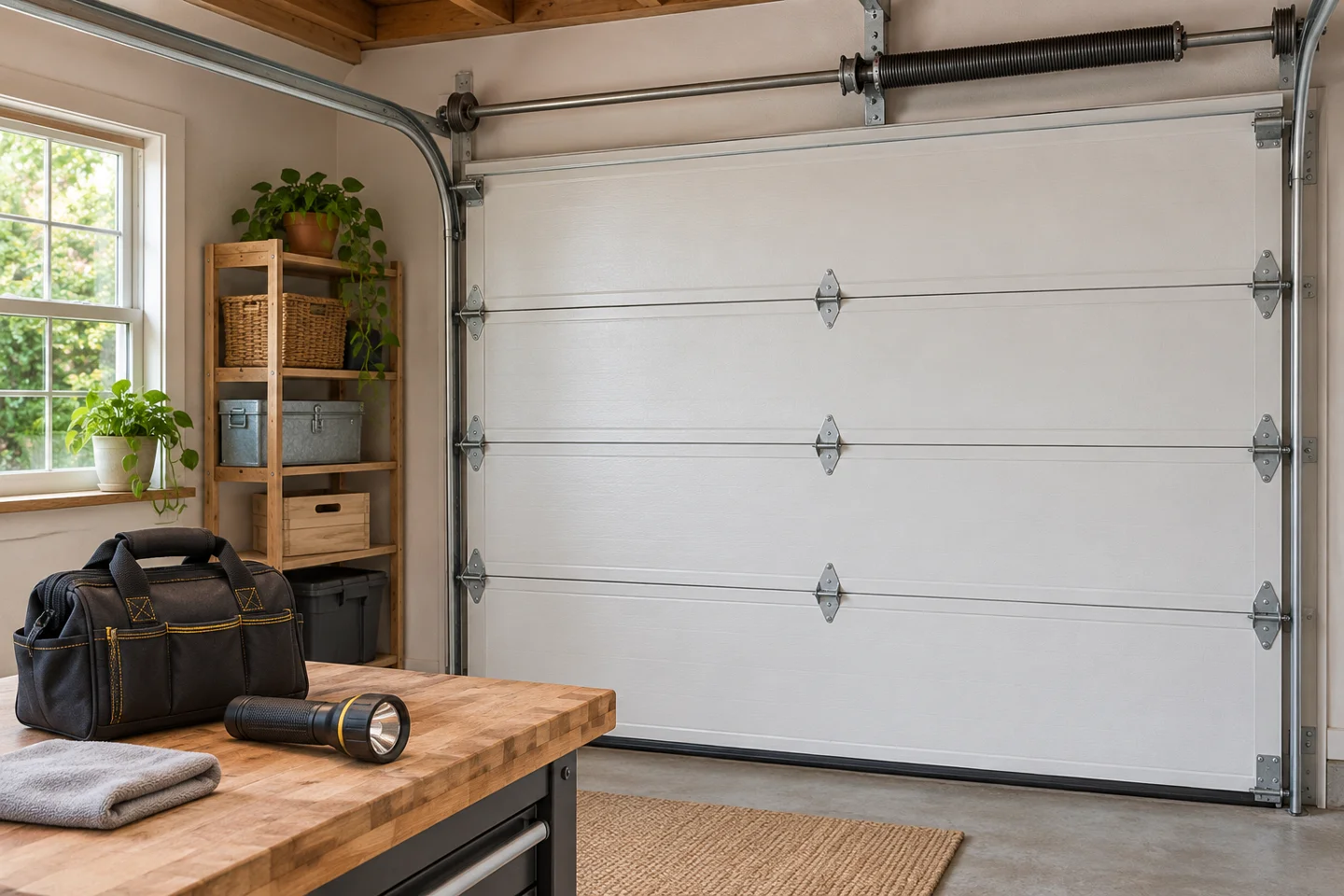
What the assessment should clarify
A new door may change weight, spring requirements and track geometry. Reusing hardware should be an explicit compatibility decision after inspection. Describe attached living space, exposure and daily use so the discussion covers sealing, appearance, operation and ongoing care.
Pittsburgh context
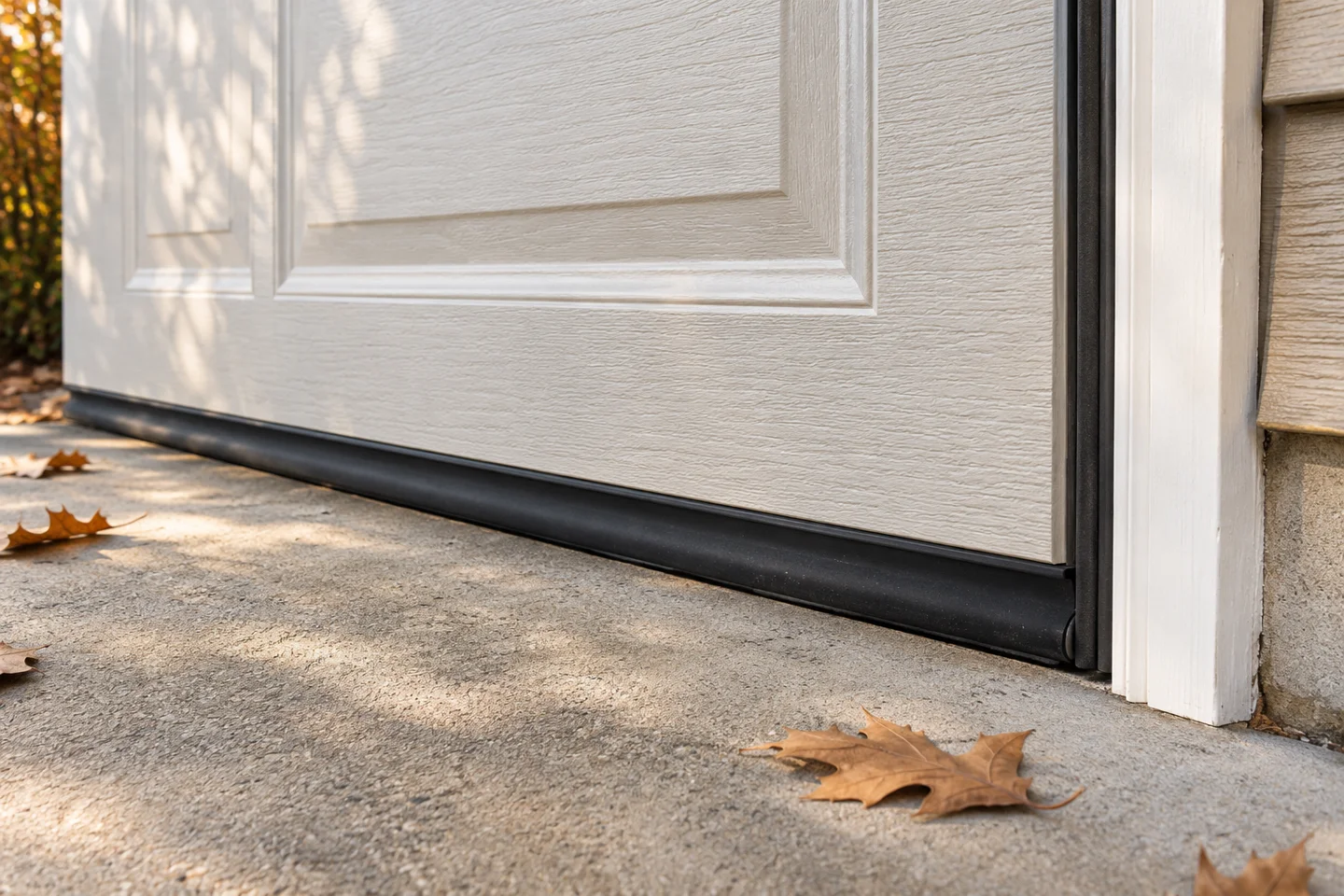
Brick homes, integral garages and sloping approaches make access and opening geometry important across the Pittsburgh footprint. Cold weather can reveal seal or travel issues; a mechanical fault should not be dismissed as just the season. Confirm your ZIP before arranging work. Commercial suitability, parts and scheduling are discussed by phone.
Connect the next question
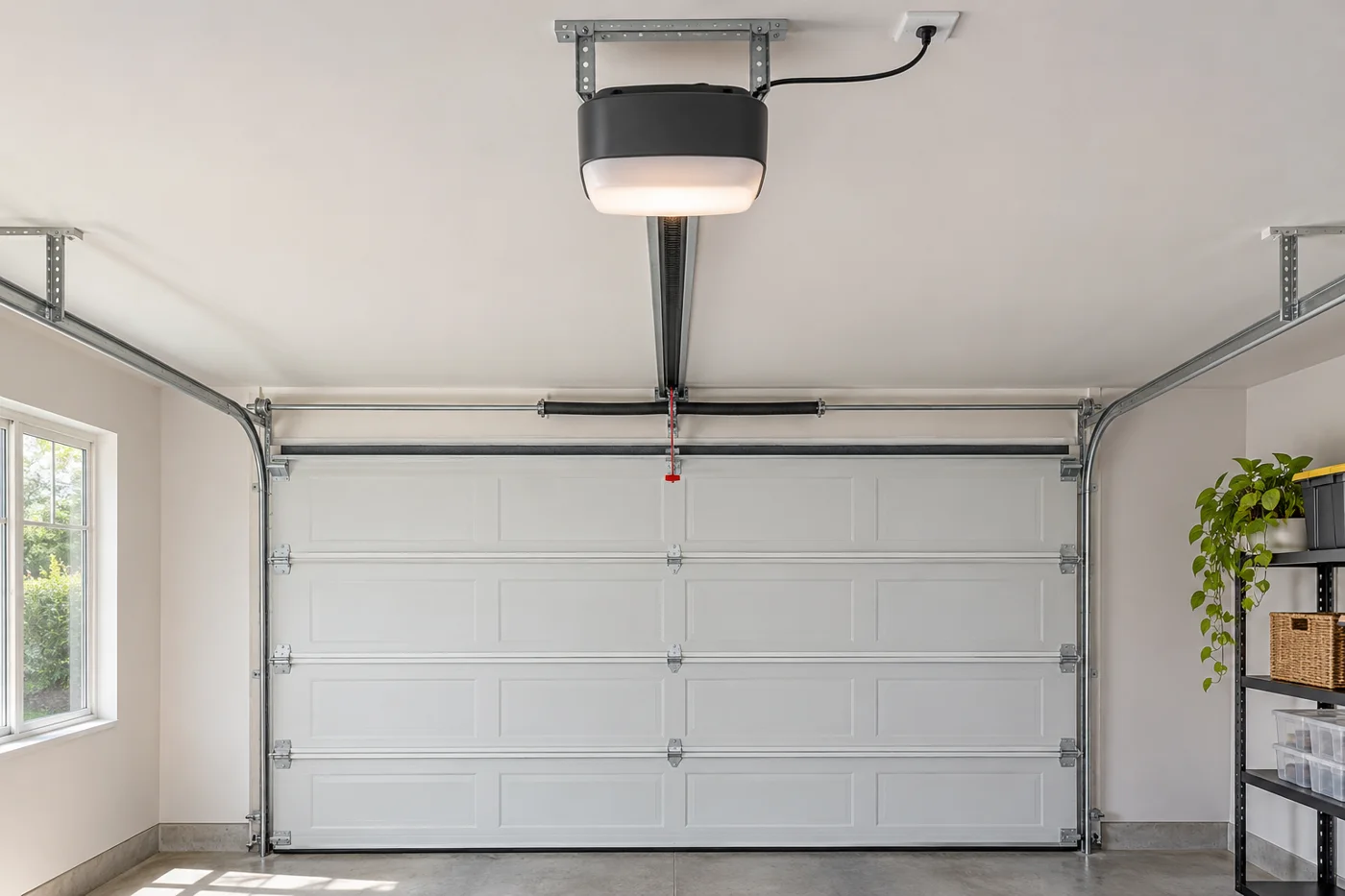
For a heavy or uneven door, read about spring and lifting-system assessment. If only the controls behave differently, explore opener diagnosis. When a new assembly is being considered, the installation guide explains fit and clearance. For a motor upgrade, compare the fit questions in opener installation.
Related reading: door will not open, repair or replace and seasonal care.