
For service questions, see garage door replacement in Pittsburgh. Confirm the listed ZIP coverage before calling.
Start with the condition, not the appearance alone
A dent, a noisy hinge and a structurally compromised section are different reasons to call. Surface deterioration may be repairable while damaged joints or distorted tracks require a broader assessment. Look at the complete system from a safe place and describe what changed. Avoid moving a damaged door simply to check whether the opener still has enough power.
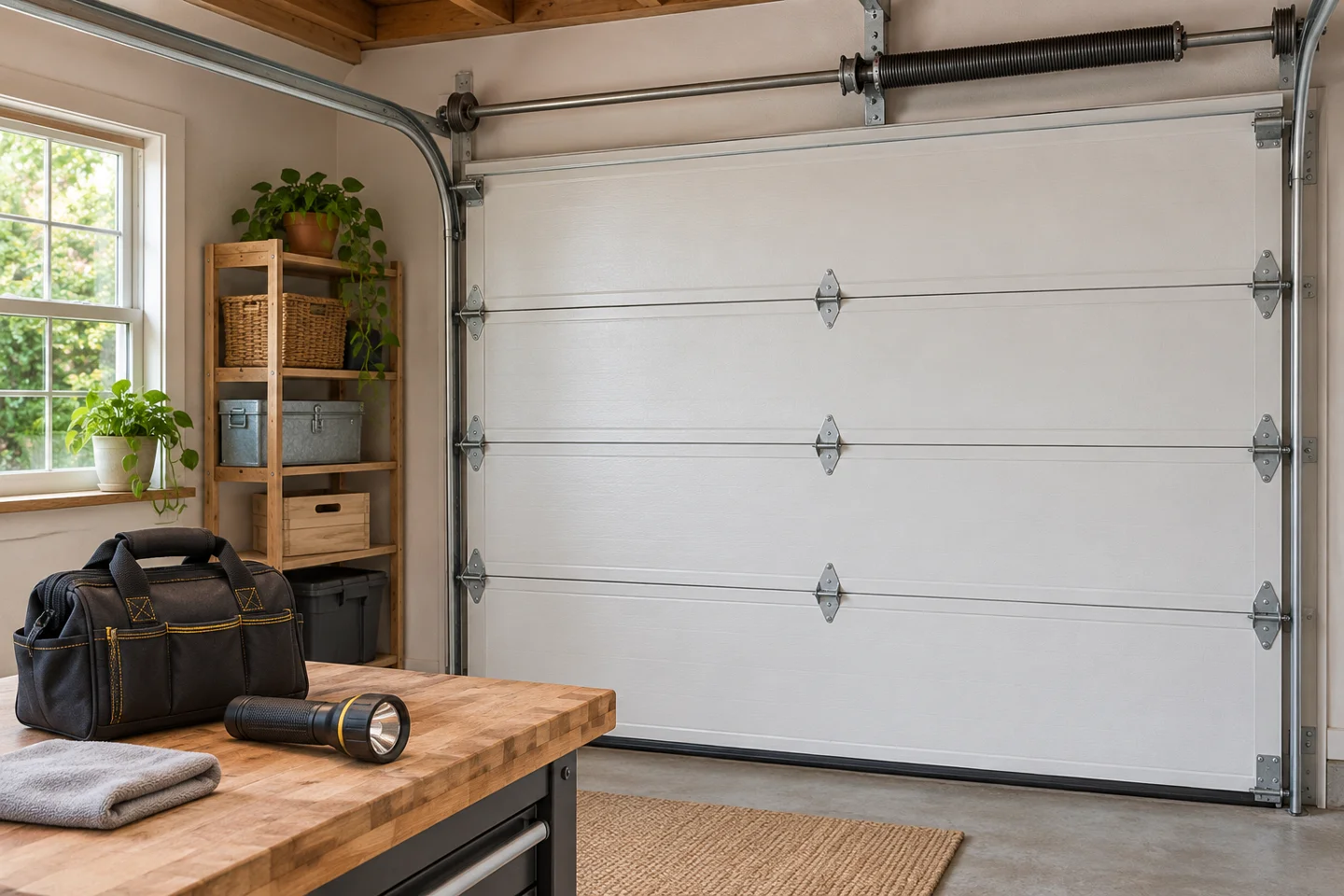
For Pittsburgh homes and properties
In the Pittsburgh footprint, integral garages beneath brick houses and detached garages on tight or sloping approaches can complicate access. Explain whether another entrance exists and whether a vehicle is trapped. This is practical information for the service discussion, not a reason to force the door.
Availability and compatibility matter
A replacement panel must match the door system, not merely its color. Manufacturer, model, section height and hardware arrangement affect fit. An older assembly may have limited compatible parts. Ask whether a proposed repair restores safe operation and whether adjacent components have been affected by the same impact or wear.
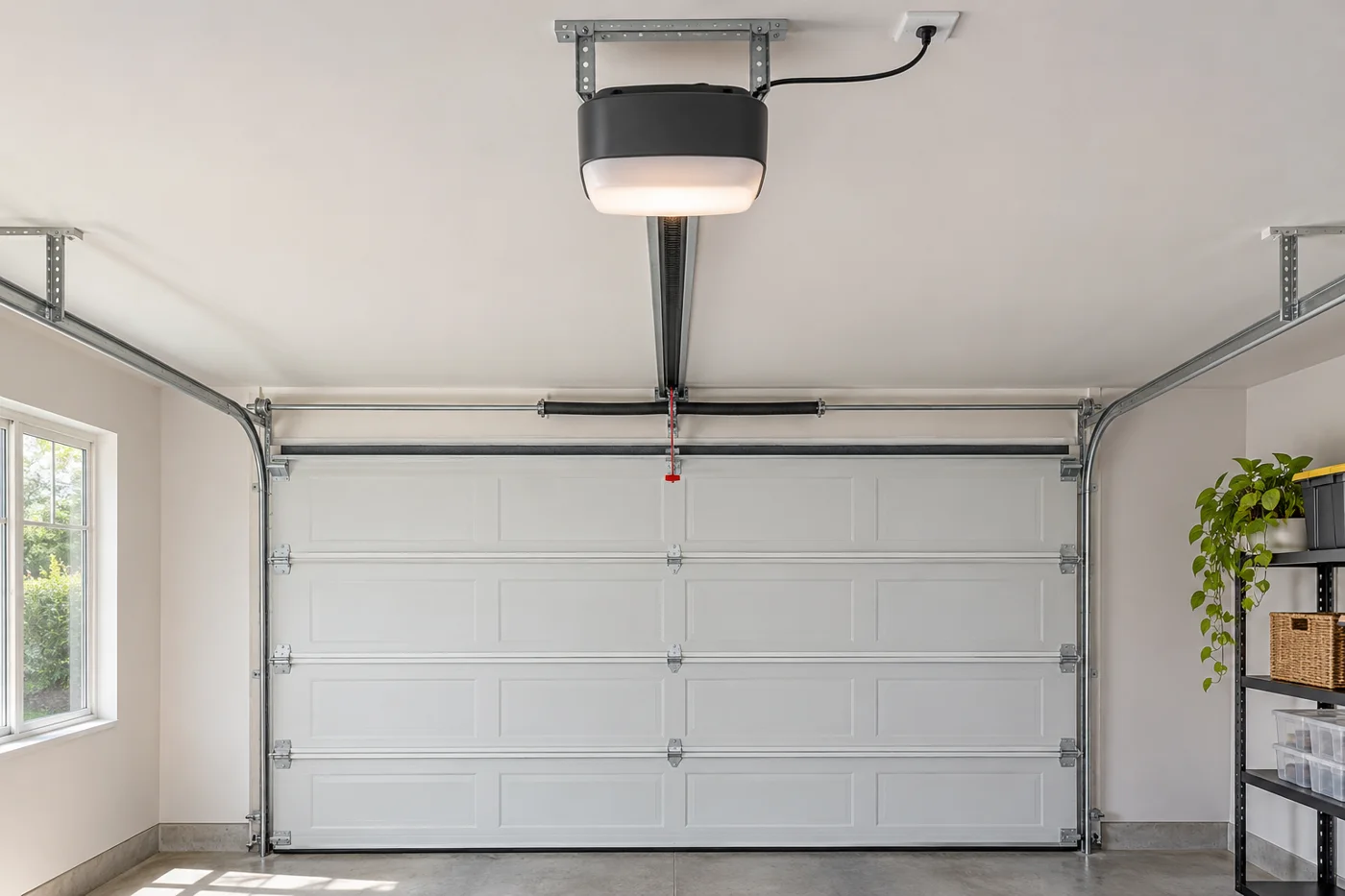
Consider how the garage is used
An attached garage beneath a bedroom has different noise and sealing priorities from a detached workshop. Discuss daily cycles, opening dimensions, clearance, daylight and appearance. When comparing replacement assemblies, consider door weight and the lifting system along with panels and operator. A change of door material can require different supporting components.
Ask for a clear scope
Request an explanation of the work, the components to remain, the reason for each replacement and the checks before handover. Keep product documentation. No online checklist can determine structural fitness or exact compatibility for an unseen door; the aim is to make the inspection and decision more informed.
Separate cosmetic goals from operating faults
Write down the reason you are considering work. If the concern is appearance, discuss finish, window arrangement and compatibility with existing sections. If the concern is an unreliable or unsafe door, begin with an assessment of structure and operation. Those goals can overlap, but they should be explained separately. A new-looking panel does not establish that tracks or lifting hardware are sound, and an older finish does not automatically make the door unrepairable. Ask what the inspection found and which condition each proposed item addresses. That makes it easier to compare two scopes without relying on a broad label such as an upgrade.
Think through what a replacement changes
Replacing a wood door with a different material can alter the assembly’s weight and supporting requirements. Adding windows changes more than the facade; privacy, daylight and product construction also enter the discussion. A new door may need different tracks, springs, seals or operator arrangements. Ask whether existing framing, power and ceiling storage affect the plan and what preparation is actually needed. Keep measurements provisional until they have been verified. If a contractor proposes retaining a component, ask how its compatibility and condition were established rather than assuming reuse is always either good or bad.
Connect the next question
For a heavy or uneven door, read about spring and lifting-system assessment. If only the controls behave differently, explore opener diagnosis. When a new assembly is being considered, the installation guide explains fit and clearance. For a motor upgrade, compare the fit questions in opener installation.
Local considerations: Clairton garage door guidance ↗ Connellsville garage door guidance ↗ . Check each locality’s listed ZIPs; a postal name does not establish complete town coverage.
Related reading: door will not open, repair or replace and seasonal care.
Further reading and safety references
Follow the instructions for your exact door and opener. General context: DASMA safety and maintenance; U.S. Consumer Product Safety Commission: automatic garage door openers. This guide supports recognition and planning; it is not a procedure for work on loaded hardware.